Organized by the 41 Indigenous Peoples’ Organization Members (IPOs) of IUCN, the International Indigenous Forum on Biodiversity (IIFB), and facilitated by the IUCN Indigenous Peoples Programme under the Human Rights in Conservation Team, the first-ever in-person World Summit of Indigenous Peoples and Nature: Our Traditional Knowledge is the Language of Mother Earth brought together 132 Indigenous leaders from 44 countries, alongside government representatives, donors, and partners.
Throughout three days of dialogues, strategic sessions, sharing experiences, community talks and indigenous ceremonies, participants affirmed that Indigenous leadership is central to achieving global conservation targets through a just and inclusive approach.

IP Summit 8th October 2025

PODONG Pavilion

The IP Summit advanced collective priorities on rights-based conservation, the recognition of Indigenous knowledge and contributions to biodiversity and climate actions, and the need for continued urgent scaling-up of direct and inclusive financing for Indigenous-led initiatives, such as the PODONG Indigenous Peoples Initiative. Discussions also elevated the essential role of youth and women leadership and intergenerational knowledge sharing in shaping and re-directing future climate and biodiversity global agendas.
With a total of 340 participants from 74 countries, the World Summit of Indigenous Peoples and the Indigenous Peoples’ Pavilion strengthened momentum for a more equitable conservation model across our Union and set a clear pathway for deeper collaboration with Indigenous Peoples leading up to COP30 and beyond. With renewed energy and shared purpose, we look forward to continuing advancing hand-in-hand with our Indigenous members and partners, transforming bold commitments into tangible, lasting achievements for our peoples and planet.
About the Summit
This high-level Indigenous Peoples Summit marked a powerful turning point, an affirmation that Indigenous Peoples are not peripheral stakeholders, but rightful stewards of life on Earth. As knowledge keepers, guardians of ancestral territories, and visionaries of sustainability, Indigenous leaders stood at the heart of this Summit to shape a future rooted in rights, reciprocity, and respect for all living beings.
Through strategic dialogue and renewed alliances, the Summit opened sacred space for Indigenous voices to lead the transformation of a global conservation agenda and set bold, collective priorities for IUCN and its networks. It also represented a catalytic opportunity for donors to invest in impactful, Indigenous-led solutions, anchored in traditional knowledge systems and the language of Mother Earth, and delivering lasting benefits for people and planet alike.
The event also featured the first ever Indigenous Peoples Pavilion, a vibrant, self-curated space that served as the “Home of Indigenous Peoples” during the IUCN Congress. More than an exhibition, this living space embodied the spirit of Indigenous territories, offering an immersive experience rooted in ancestral wisdom, resilience, and innovation.
Building on the legacy of Marseille and carried forward to Abu Dhabi, the Indigenous Summit marked a new chapter in recognizing the rights, leadership, agency, governance, and knowledge of Indigenous Peoples in achieving the goals of the IUCN Global Indigenous Agenda, the Kunming-Montreal Global Biodiversity Framework, adopted under the Convention on Biological Diversity (CBD), and the Paris Agreement under the United Nations Framework Convention on Climate Change (UNFCCC).
The Indigenous Peoples Summit and Pavilion have set an unprecedented series of “firsts” within IUCN. With this achievement, we move forward with renewed commitment to strengthen and expand our collaboration with Indigenous members and partners. Together, we advance stronger as one Union.
Recap videos
Opening video
Closing video
Featured Speakers
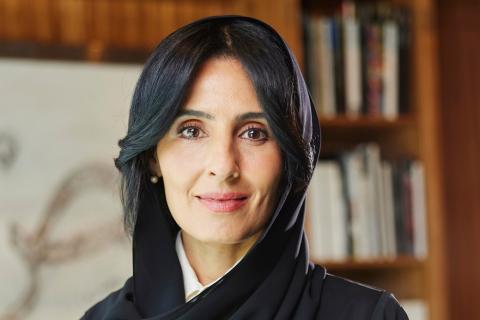
Razan Al Mubarak
President, IUCN
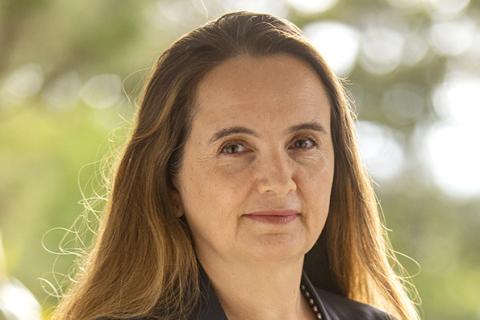
Grethel Aguilar Rojas
Director General, IUCN
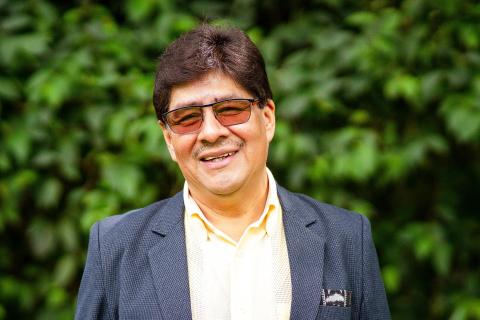
Ramiro Batzin
Co-chair of IIFB & Vice President and advisor to the IUCN
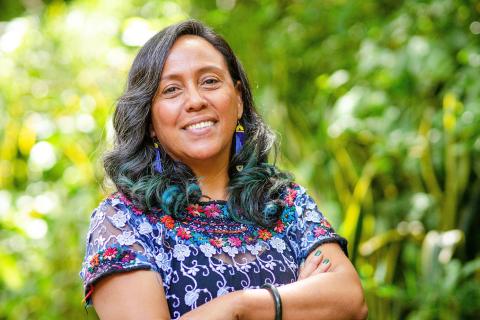
Anita Tzec
Maya Yucatec leader and Senior Programme Officer on Indigenous Peoples and Conservation at IUCN
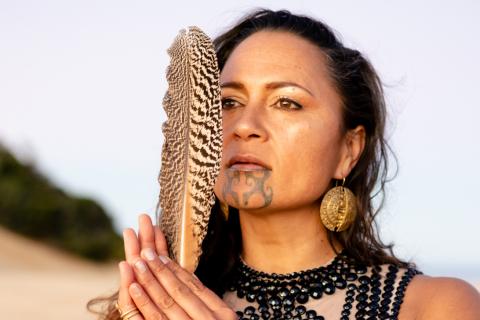
WHAIA - Sonic Weaver
International Keynote Speaker
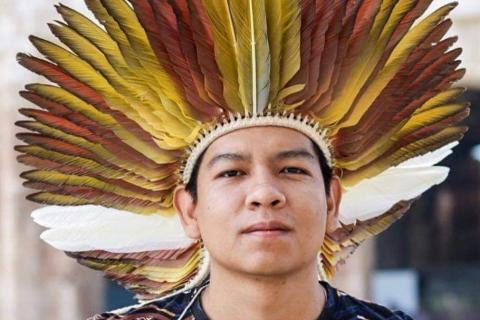
Eric Terena
Indigenous artist and activist
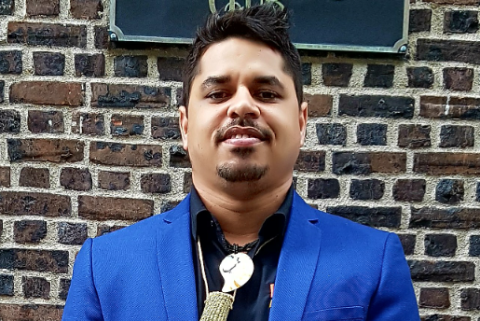
Gavin Singleton
Indigenous composer and media-musician
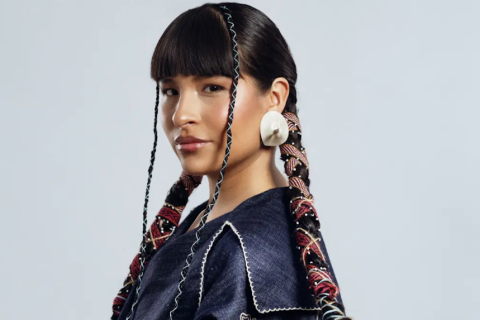
Alessandra Yupanki
Co-founder and editor-in-chief of Sapiens, Key note speaker
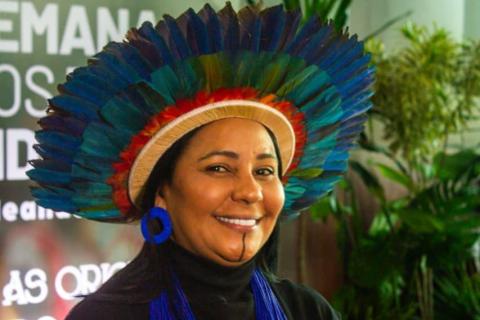
Puyr Tembé
First Secretary, Indigenous Peoples of the State of Pará
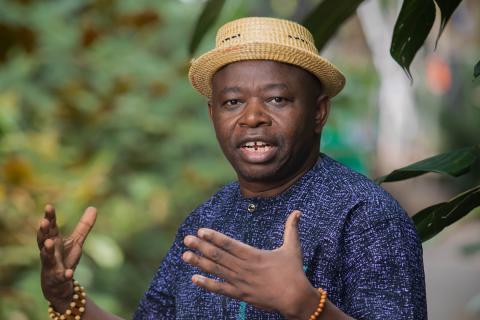
Joseph Itongwa
Executive Director, Alliance des peuples autochtones pour la promotion des actions citoyennes (ANAPAC)
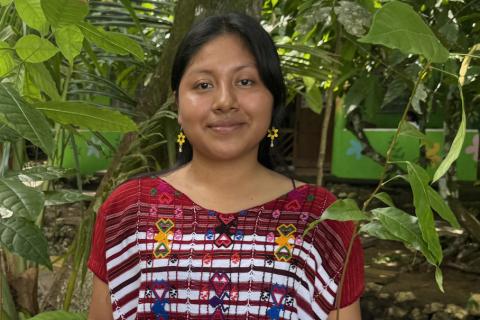
Krizzley Ordoñez
Q’eqchi’ Youth, Asociación Ak’ Tenamit
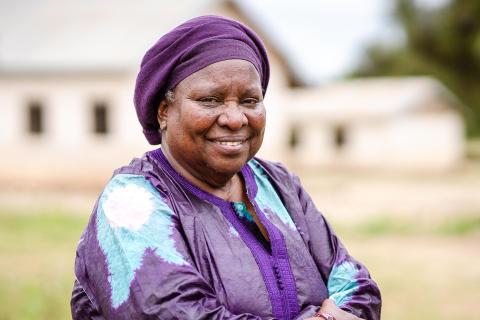
Lucy Mulenkei
Co-Chair, Co-chair, International Indigenous Forum on Biodiversity (IIFB) & Executive Director of the Indigenous Information Network (IIN)
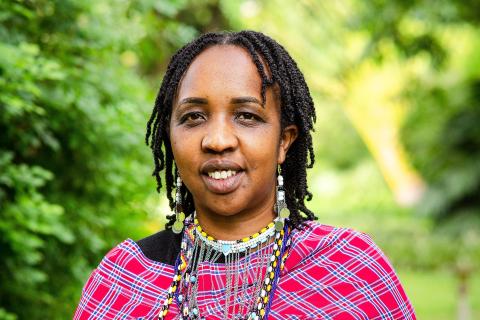
Paine Mako
Executive Director, Ujamaa Community Resource Team (UCRT)
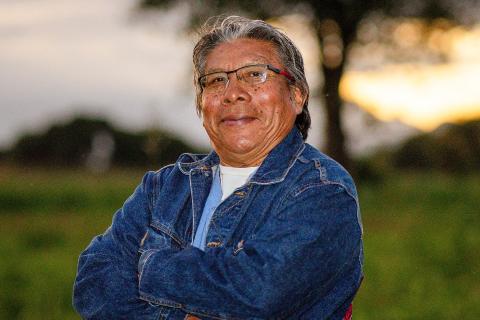
Onel Masardule
Executive Director, Foundation for the Promotion of Indigenous Knowledge (FPCI)
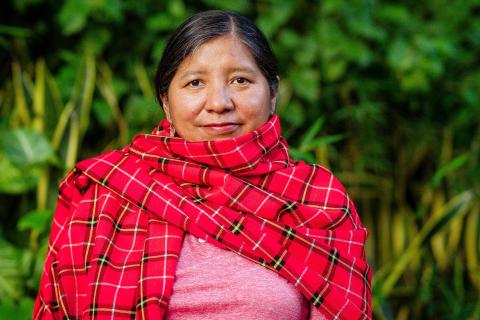
Viviana Figueroa
Global Technical Coordinator, International Indigenous Forum on Biodiversity (IIFB)
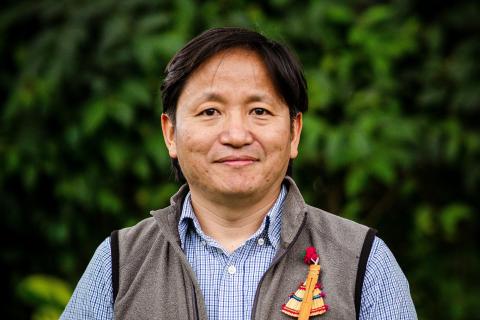
Tunga Bhadra Rai
Director, Nepal Federation of Indigenous Nationalities (NEFIN)
Organising Partners
Sponsors


Get Involved
Stay connected with the PODONG Indigenous Peoples Initiative and receive the latest updates on the World Summit of Indigenous Peoples and Nature:
For additional information or to inquire about participation:

